Mastering Microfiber

Jeanne Frey

The Best Way to Clean and Maintain Your Microfiber Cloths
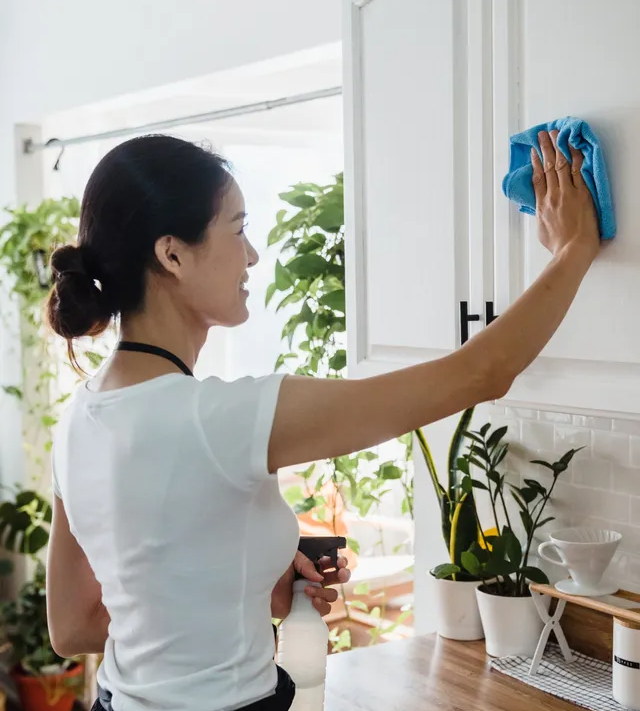

Microfiber cloths have become a staple in households and professional cleaning services due to their exceptional cleaning capabilities and versatility. However, to keep these remarkable cleaning tools in top shape and maximize their effectiveness, proper cleaning and maintenance are crucial. In this post, we'll guide you through the best way to clean and care for your microfiber cloths, ensuring their longevity and continued performance.


Sorting and Prepping


To begin, sort your microfiber cloths by color and use. It's essential to keep separate cloths for different cleaning tasks to prevent cross-contamination. For example, have separate cloths for cleaning glass, dusting, and general cleaning purposes. This way, you'll avoid transferring dirt or residue from one surface to another.


Shake and Pre-Wash


Before diving into the cleaning process, give your microfiber cloths a vigorous shake to remove any loose dirt or debris. If the cloths are heavily soiled or stained, consider pre-washing them. This step helps loosen stubborn dirt and ensures more effective cleaning.


Machine Washing


When it's time to launder your microfiber cloths, machine washing is the preferred method. Follow these guidelines for optimal results:

  • Load the cloths into the washing machine, making sure not to overcrowd it. Overstuffing can hinder the cleaning process and affect the cloths' ability to agitate properly.
  • Use a gentle cycle with cold or warm water. Avoid hot water, as it can damage the microfibers and reduce their effectiveness.
  • Use a mild detergent without added fabric softeners or bleach. Fabric softeners can leave a residue that hinders the cloths' absorbency.
  • If available, select a rinse cycle with an extra spin to remove excess detergent and promote faster drying.
  • Avoid washing microfiber cloths with lint-producing materials such as cotton towels or clothing.


Drying


After washing, it's important to dry microfiber cloths properly to maintain their softness and effectiveness:

  • Air drying is the preferred method. Hang the microfiber cloths outdoors or in a well-ventilated area, away from direct sunlight.
  • If using a dryer, set it to a low heat or no-heat setting. High heat can damage the delicate microfibers and reduce their cleaning performance.


Avoiding Common Mistakes


To ensure the longevity and effectiveness of your microfiber cloths, keep these common mistakes in mind:

  • Avoid using fabric softeners or dryer sheets, as they can leave residues that diminish the cloths' absorbency and cleaning power.
  • Do not use bleach or harsh chemicals, as they can damage the microfibers and shorten the lifespan of the cloths.
  • Separate microfiber cloths from other laundry items, especially those that produce lint. Lint can cling to microfiber and affect its performance.


Refreshing and Reviving


Over time, microfiber cloths may lose their effectiveness due to residue buildup or fabric wear. To revitalize them:

  • Rinse the cloths thoroughly in warm water after each use to remove any residue.
  • If necessary, soak the cloths in a mixture of vinegar and water for 15-30 minutes, then rinse and launder as usual.
  • Avoid excessive scrubbing or harsh treatment, as it can damage the microfibers and reduce their cleaning capabilities.


Microfiber cloths are exceptional cleaning tools that require proper care to maintain their performance and longevity. By following these guidelines for sorting, prepping, machine washing, drying, and avoiding common mistakes, you can ensure that your microfiber cloths remain effective for a long time. Treat your microfiber cloths with care, and they will continue to be your reliable cleaning companions, providing efficient and streak-free results for various cleaning tasks.  In the Dallas-Fort Worth area?  Organically Maid can help keep your whole house sparkling naturally with organic and non-toxic cleaners to save you time and energy! 


Get a Quote

Blog

What to Expect from an Organic Deep Clean
By Jeanne Frey February 11, 2026
Learn what to expect from an organic deep clean and how it varies from regular services. Contact Organically Maid to learn more or request a quote.
By Jeanne Frey February 5, 2026
Allergy season can make even a freshly cleaned home feel uncomfortable. Harsh conventional cleaning products often leave behind chemical residues that linger in the air, increasing airborne irritants that may affect people sensitive to dust, pollen, or fragrances. Investing in organic cleaning can slightly raise your home cleaning cost, but it transforms your space into one that feels fresher and cleaner. Let’s take a closer look at how organic cleaning affects indoor air quality and why choosing safer cleaning packages can make a noticeable difference in overall comfort for your household. How Conventional Cleaners Can Aggravate Allergies Many traditional cleaning products rely on strong chemical agents and synthetic fragrances. While they may make surfaces look spotless, they often leave behind residues that linger in the air long after cleaning. When these compounds mix with pollen, dust, or pet dander, they increase the concentration of airborne irritants in your home. Residents of Plano or Fort Worth, TX, can be especially sensitive during seasonal shifts. Poor ventilation or closed windows can trap chemical irritants indoors, making indoor air feel heavier or less fresh during high-pollen periods.
Why Natural Cleaning is Safer for Pets and Families
By Jeanne Frey January 13, 2026
Keep your family and pets safe with natural cleaning services in Fort Worth. Organically Maid uses non-toxic products for a healthy, chemical-free home.
The Best Eco-Friendly Cleaning Routine for Texas Homes
By Jeanne Frey January 13, 2026
Discover the best eco-friendly cleaning routine for Texas homes. Get safe, non-toxic tips for Fort Worth & Plano living from Organically Maid.
By Jeanne Frey September 29, 2025
Here is Your Roadmap
A round chocolate cake on a plate, a dark teapot, and a dried hydrangea in a vase sit on a wooden table with a knit cloth.
By Jeanne Frey September 25, 2025
Get ready for fall gatherings and cozy nights with a clean, inviting home perfect for hosting friends.
By Jeanne Frey September 22, 2025
Why Natural Cleaners Improve Mood
By Jeanne Frey September 1, 2025
Start the school year right with these essential decluttering tips to organize your home for a productive semester.
By Jeanne Frey August 26, 2025
Keeping Your Family Safe
By Jeanne Frey August 11, 2025
When kids head back to school, they bring home more than just homework — they also bring home plenty of germs. Shared desks, lunch tables, and playgrounds are prime zones for bacteria and viruses to spread. While it's tempting to grab the strongest disinfectant on the shelf, many store-bought cleaners are packed with harsh chemicals that can affect your family’s respiratory health, skin, and long-term wellness. The good news? You can stop germs in their tracks and keep your home toxin-free with a few simple, natural strategies. Start at the Door Set up a "drop zone" by your home’s entryway to limit what comes inside. Shoes off: Encourage everyone to remove shoes at the door to prevent germs and allergens from spreading across your floors. Backpack station: Designate a hook or bin for school bags, and wipe them down with a DIY disinfecting spray made from white vinegar, water, and a few drops of tea tree or lavender essential oil. Handwashing first: Reinforce the habit of washing hands with gentle, fragrance-free soap as soon as kids walk in the door. Focus on High-Touch Surfaces Doorknobs, light switches, remote controls, and faucet handles are germ magnets. But many disinfectant sprays contain quaternary ammonium compounds (quats), which have been linked to asthma and skin irritation. Instead, opt for: Hydrogen peroxide spray (3%): A natural and effective way to disinfect without leaving harmful residue. Spray and let sit for 1 minute before wiping. Alcohol-based cleaner: Use a mix of 70% isopropyl alcohol and water to disinfect electronics and hard surfaces. Keep Personal Items Clean Lunchboxes and water bottles should be washed or wiped down daily. Lunchboxes: Wipe interiors with a mix of water and a few drops of castile soap, then rinse and air-dry. Water bottles: Scrub with baking soda and warm water once a day to prevent bacteria buildup. Encourage Healthy Habits Involving kids in cleaning tasks not only teaches responsibility but helps reinforce good hygiene. Keep a natural hand sanitizer (look for alcohol-based formulas with essential oils) in their backpacks and talk about covering coughs and sneezes, not sharing drinks, and keeping hands away from their faces. Maintain Good Air Quality When one person brings germs home, others can get sick simply from being in the same room. Open windows daily to air out the house, even for 15 minutes. Use HEPA filters in your vacuum and air purifier to trap airborne particles. Diffuse essential oils like eucalyptus, lemon, and tea tree to naturally freshen the air and reduce airborne microbes. By taking a few mindful steps, you can create a safer, healthier environment for your whole family—without relying on toxic chemicals. A cleaner home means fewer sick days, better focus, and more energy to enjoy the busy school year ahead. In the Dallas-Fort Worth area ? Organically Maid cleaning services can help keep your home or office sparkling naturally with organic and non-toxic cleaners and can save you time and energy! Contact us today for a free estimate. Disclaimer: The recommendations and recipes provided on the Organically Maid Blog are intended for informational purposes only. Please use caution and consult with a professional if you have any concerns or allergies. Organically Maid is not liable for any adverse effects or damages that may result from following the recommendations or recipes shared on this blog. Always follow manufacturer's recommendations and proceed at your own risk.