The Link Between Chemical Cleaning and Respiratory Health Issues
This article explains how everyday cleaning chemicals affect your lungs and airways. It covers the ingredients most often linked to breathing problems, the symptoms of short-term exposure, what to do immediately after inhaling cleaning fumes, what long-term research has found, and who is most at risk. It closes with practical steps for lowering exposure at home, including ventilation, product labels and switching to plant-based cleaners.
Protect Your Lungs
The air inside your home plays a crucial role in your overall well-being, but many people overlook how everyday cleaning products can impact respiratory health. Chemical-based cleaners, which are commonly used to disinfect and sanitize, can release harmful fumes and volatile organic compounds (VOCs) that affect air quality and pose risks to your lungs and respiratory system. Understanding the link between these products and respiratory health is essential to creating a safer living environment.
How Chemical Cleaners Impact Respiratory Health
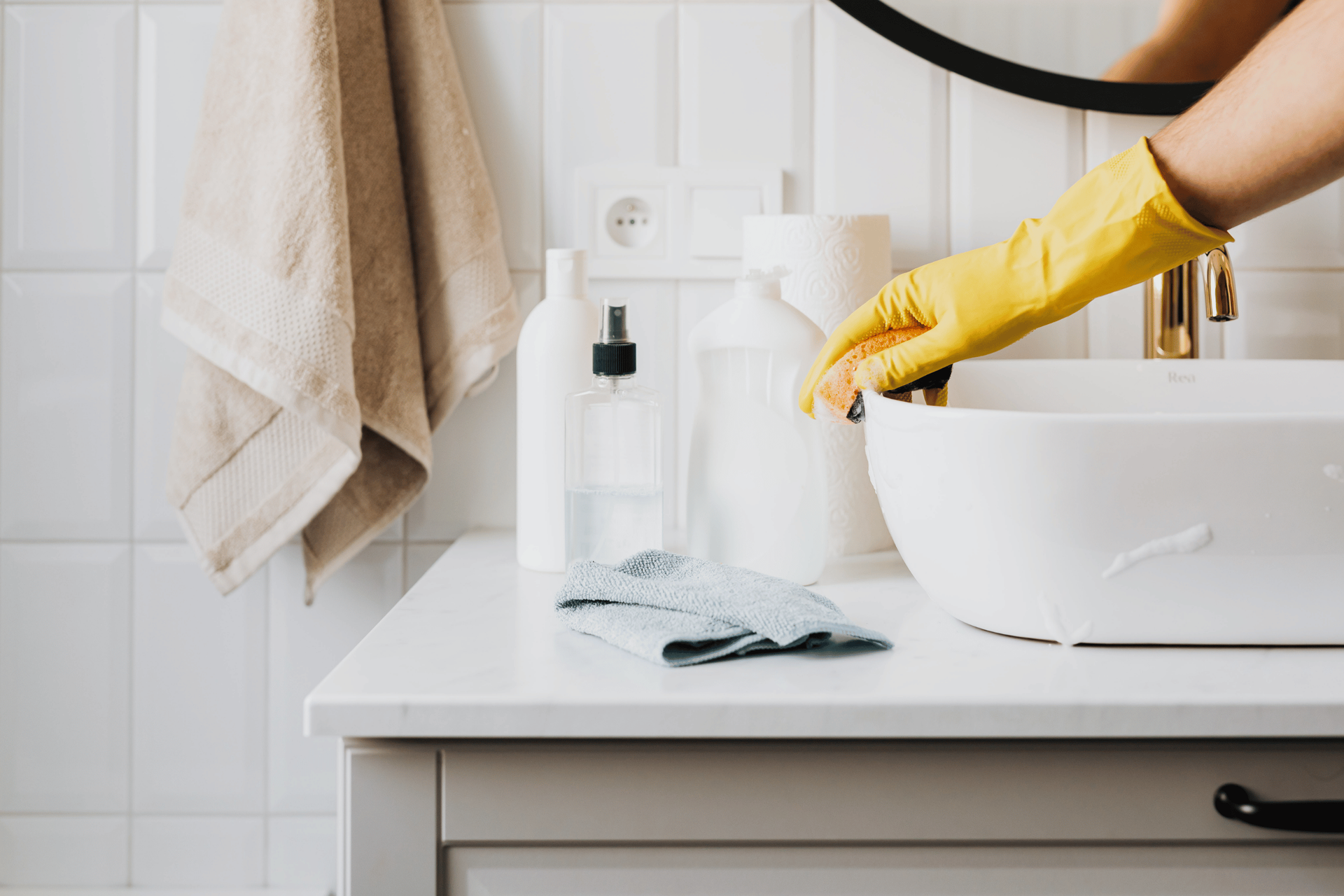
Many conventional cleaning products contain ingredients like ammonia, chlorine, and phthalates, which can be harmful when inhaled. These chemicals can cause irritation in the respiratory tract, trigger asthma attacks, and lead to chronic respiratory problems with prolonged exposure. People who regularly use chemical cleaning agents—whether at home or work—are at a higher risk of developing respiratory conditions such as bronchitis, wheezing, or chronic coughing.
These are the ingredients worth checking a label for.
- Ammonia, common in glass and multi-surface cleaners.
- Chlorine bleach, used in bathroom and laundry products.
- Quaternary ammonium compounds, listed as benzalkonium chloride or ADBAC, which NIOSH names as an asthma-causing agent.
- Formaldehyde releasers such as quaternium-15 and DMDM hydantoin.
- 2-butoxyethanol and other glycol ether solvents.
- Fragrance, a single label word that can stand in for dozens of undisclosed compounds, including phthalates.
Volatile Organic Compounds (VOCs) and Their Effects
VOCs are chemicals that easily evaporate at room temperature, releasing fumes into the air. These compounds are present in many cleaning products, including air fresheners, disinfectants, and polishes. When inhaled, VOCs can irritate the lungs and airways, leading to symptoms like coughing, shortness of breath, and even long-term respiratory issues. People with asthma, allergies, or pre-existing respiratory conditions are particularly vulnerable. Scented products deserve particular caution. Citrus and pine fragrances contain terpenes, which react with ozone indoors to form formaldehyde and fine particles, so a natural scent is no guarantee of clean air.
Immediate Symptoms of Chemical Exposure
The short-term effects of using chemical cleaners may include:
- Coughing or wheezing
- Irritated eyes, nose, and throat
- Shortness of breath
- Headaches or dizziness.
- Sore throat, hoarseness or chest tightness
These symptoms may worsen in enclosed spaces with poor ventilation, where fumes from chemical cleaners become concentrated. For some, these symptoms disappear once exposure ends, but for others—particularly those with respiratory sensitivities—chemical exposure can lead to long-lasting issues.
What to Do If You Inhale Cleaning Fumes
If a cleaning product leaves you coughing or short of breath, act quickly.
- Leave the room and get fresh air straight away.
- Open windows and switch on a fan to clear the space before you go back in.
- Rinse affected eyes with running water for 15 to 20 minutes and wash exposed skin with soap and water.
- Call Poison Control on 1-800-222-1222, which is free, confidential and staffed 24 hours a day, or use the online tool at triage.webpoisoncontrol.org.
Call 911 instead if you have chest pain or real difficulty breathing, if you already live with asthma, emphysema or bronchitis, or if symptoms are severe or still present after 24 hours.
Never Mix These Products
- Bleach and ammonia, which produces chloramine gas. Many glass cleaners contain ammonia, so read both labels before you reach for them.
- Bleach and any acid, including vinegar and most toilet bowl cleaners, which produces chlorine gas.
Both cause burning eyes, coughing and wheezing, and heavy exposure can lead to chest pain, airway swelling and pneumonia.
Long-Term Risks of Chemical Cleaners
Regular exposure to chemical cleaning products can lead to chronic respiratory diseases. Studies have shown that prolonged use of these products is associated with an increased risk of developing asthma, especially for individuals who work in environments where cleaning is done daily. Over time, chemical exposure can reduce lung function and contribute to the development of more severe conditions such as chronic obstructive pulmonary disease (COPD).
Who Is Most at Risk
- Professional cleaners and healthcare staff, who handle these products every working day.
- Babies and young children, who breathe more air relative to their size.
- People who are pregnant.
- Anyone already living with asthma, COPD or allergies.
Benefits of Switching to Organic Cleaning
Switching to organic cleaning solutions can significantly reduce the risk of respiratory health problems. Organic cleaning products use natural ingredients like vinegar, baking soda, and essential oils, which don’t release harmful fumes or VOCs. These products are not only effective in cleaning but are also much safer for people with respiratory conditions, children, and pets. By reducing the use of chemical-based cleaners, you can improve your indoor air quality and protect your family’s long-term health. Our green cleaning service uses plant-based products throughout, and our disinfecting service handles high-touch surfaces without ammonia or bleach.
Protecting Your Home’s Air Quality
To minimize respiratory health risks, consider adopting the following practices:
- Ventilate while cleaning: Open windows and use fans to circulate air and remove any lingering fumes, during the clean and for a while afterwards.
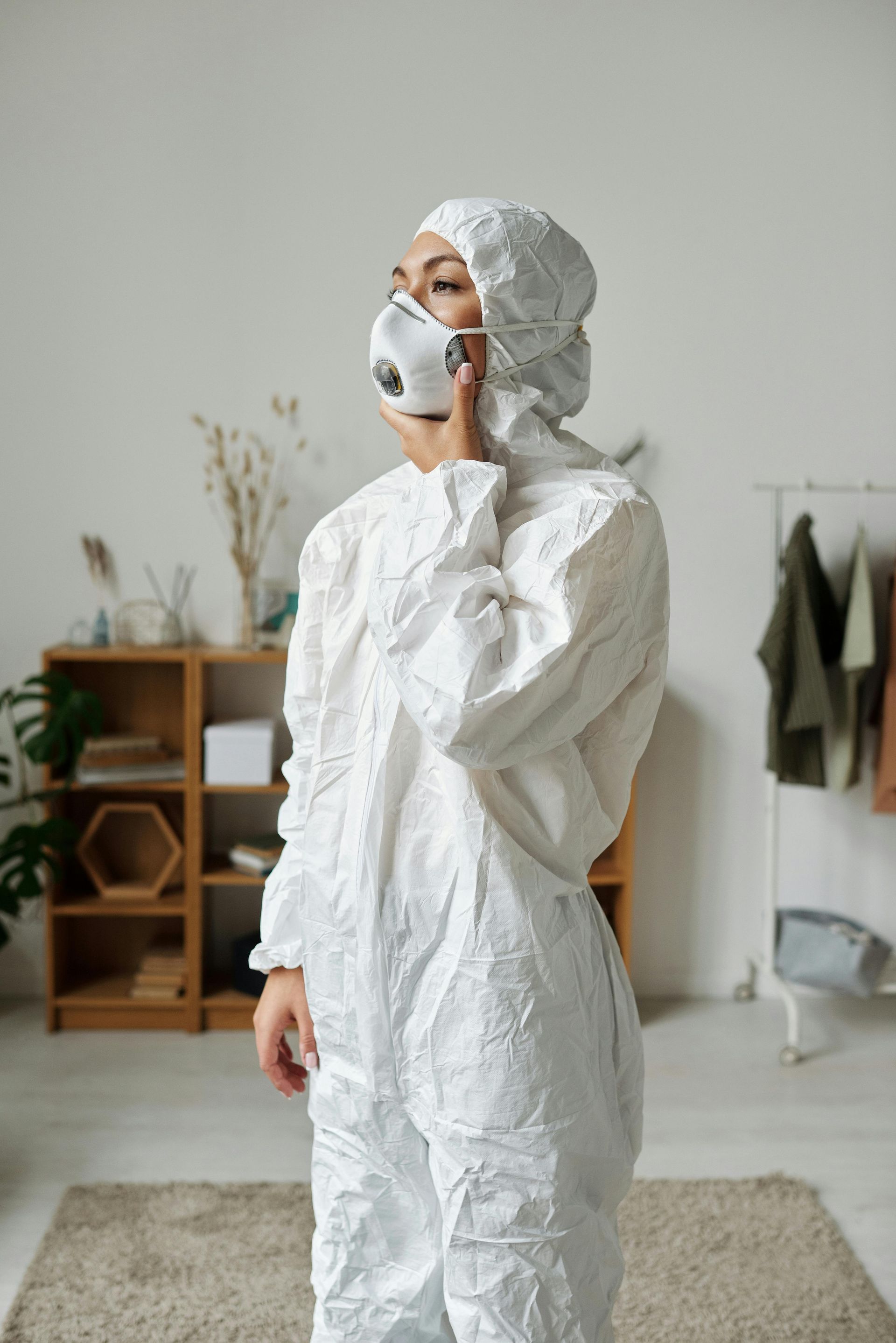
- Wear protective gear: If you must use chemical cleaners, wear gloves and masks to reduce direct exposure.
- Switch to organic products: Choose natural, non-toxic alternatives for everyday cleaning tasks.
- Limit aerosols and sprays: Opt for liquid cleaners over sprays, as they release fewer particles into the air. Spray droplets stay airborne for hours and are the form most strongly linked to asthma in the research.
- Choose fragrance-free over unscented: Fragrance-free means no fragrance was added, while unscented can mean a masking scent was used to cover other ingredients.
- Check the certification: Look for EPA Safer Choice, Green Seal, EWG Verified or asthma & allergy friendly certification, because terms like natural, green and non-toxic are not regulated.
- Spray the cloth, not the surface: It cuts the mist you breathe in, and keeps the nozzle pointed away from your face.
By being mindful of the products you use in your home, you can create a healthier environment and reduce the risk of respiratory issues for yourself and your family.
In the Dallas-Fort Worth area? Organically Maid cleaning services can help keep your home or office sparkling naturally with organic and non-toxic cleaners that are safe for your family and pets, and can save you time and energy! Contact us today for a free estimate.
Frequently Asked Questions
Q: What should I do after inhaling cleaning products?
A: Leave the room and get fresh air immediately, then open windows and run a fan. Rinse your eyes for 15 to 20 minutes if they are affected and wash any exposed skin. Call Poison Control on 1-800-222-1222 for advice, and call 911 if breathing is difficult.
Q: How long do the side effects of inhaling cleaning products last?
A: Mild irritation from a single exposure usually clears within a few hours once you are breathing fresh air. Symptoms lasting beyond 24 hours, or any chest pain or shortness of breath, need medical attention, particularly for anyone with asthma, COPD or bronchitis.
Q: Can cleaning products cause permanent lung damage?
A: Repeated exposure can. Research links regular use of cleaning sprays and disinfectants to faster loss of lung function, higher rates of adult-onset asthma and a raised risk of COPD. A single accidental exposure rarely causes lasting harm, though persistent symptoms should still be checked.
Q: What cleaning products are safe for people with asthma?
A: Look for fragrance-free, non-aerosol products carrying EPA Safer Choice, Green Seal or asthma & allergy friendly certification. Plain soap and water, microfiber cloths and diluted white vinegar handle most household tasks. Avoid ammonia, chlorine bleach, quaternary ammonium compounds and any scented spray.
The recommendations and recipes provided on the Organically Maid Blog are intended for informational purposes only. Please use caution and consult with a professional if you have any concerns or allergies. Organically Maid is not liable for any adverse effects or damages that may result from following the recommendations or recipes shared on this blog. Always follow manufacturer's recommendations and proceed at your own risk.
Blog