What NOT to clean with vinegar!
Jeanne Frey
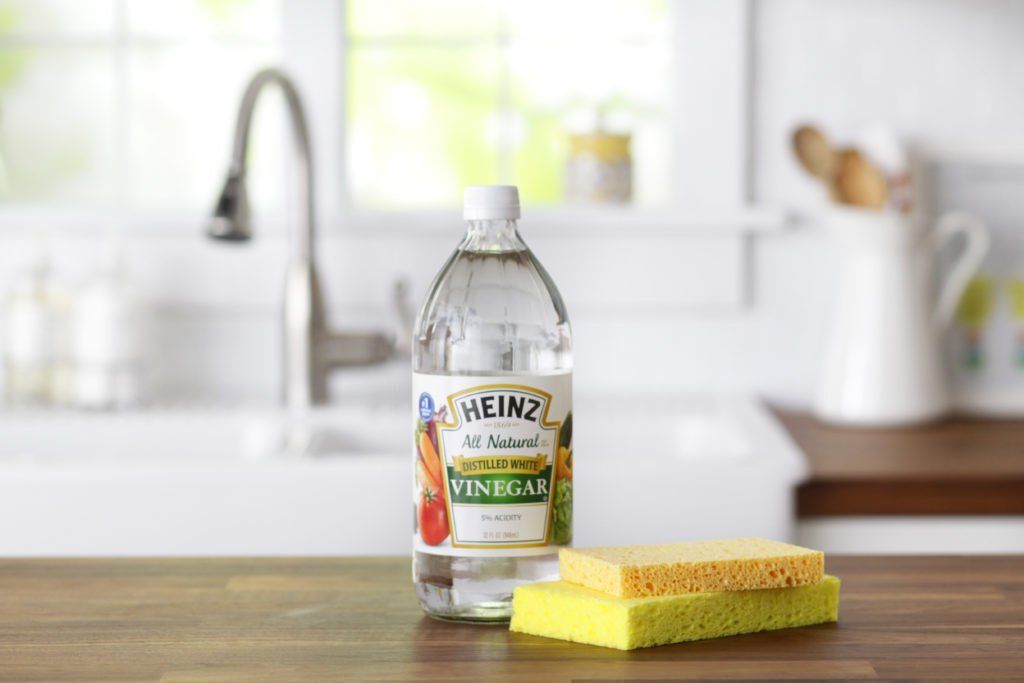
So, vinegar is one of my very favorite cleaning ingredients, for several reasons!
First, it’s natural and non-toxic. I don’t have to worry about strange cleaning chemicals when I’m using vinegar to clean my house! Second, it’s incredibly cheap to buy. You can get a gallon
of vinegar at most stores for just a few dollars. And third, it’s really versatile!
You can use it to clean all kinds of things, such as
- windows
- glass
- shower heads
- suede
- denim
- microwave
- sticky stuff
- toliets
- dishwasher
- washing machine
- mold
- mildew
Vinegar works great as a natural and affordable cleaner, but you shouldn't use it on everything!
DON’T Clean This With Vinegar
Vinegar makes a great cleaner because it’s acidic, which helps it to cut through tough grease, grime, and mineral deposits. But vinegar’s acidity can also damage
certain surfaces, so it’s important to know which ones to avoid. Porous surfaces like wood, stone, and grout are susceptible to damage from acidic cleaners like vinegar.
Here’s a list of items to avoid when cleaning with vinegar, as well as details on what kinds of cleaners you can use instead!
- Granite, marble, and soapstone countertops. Acids don’t mix with natural stones like granite, marble and soapstone. It can cause pitting and make them lose their shine. Here's what I use: Thieves household cleaner and a damp cloth.
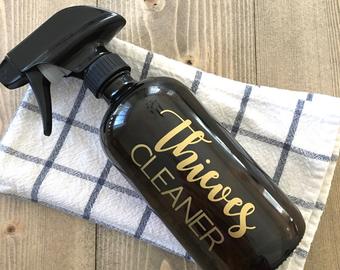
- Kitchen knives. If you want to keep your knife like new, acids are to be avoided. Here's what I use: Thieves dish soap and water.
- Egg-based messes. Vinegar will cause the proteins in the egg to coagulate, creating a gluey substance that is even more impossible to clean up. Here's what I use: A damp washcloth and Thieves spray.
- Clothes iron. Vinegar can actually damage the inner workings of your iron. Here's what I use: just water and a few drops of lemon essential oil.
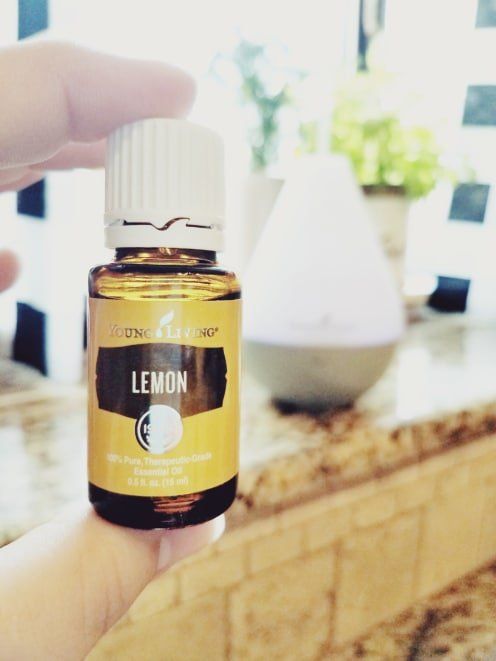
- Solid wood furniture. It isn’t a good idea to clean wood with pure, undiluted vinegar. In addition to leaving water marks, the acid in the vinegar could “eat” certain kinds of finishes. However, for polishing wood, a homemade treatment of half olive oil and half white vinegar can buff up stained and oiled wood finishes nicely. Here's what I use: 4 drops of orange essential oil from Young Living with a 12 spray bottle of water. Lightly spray mixture onto furniture and immediately wipe up with microfiber cloth.
Clean With Caution!
Use your best judgment when cleaning with vinegar!
X
Aly Essentially
Blog
Protect your furry family in DFW with non-toxic, probiotic home cleaning solutions. Keep floors and surfaces safe for your pets with Organically Maid!
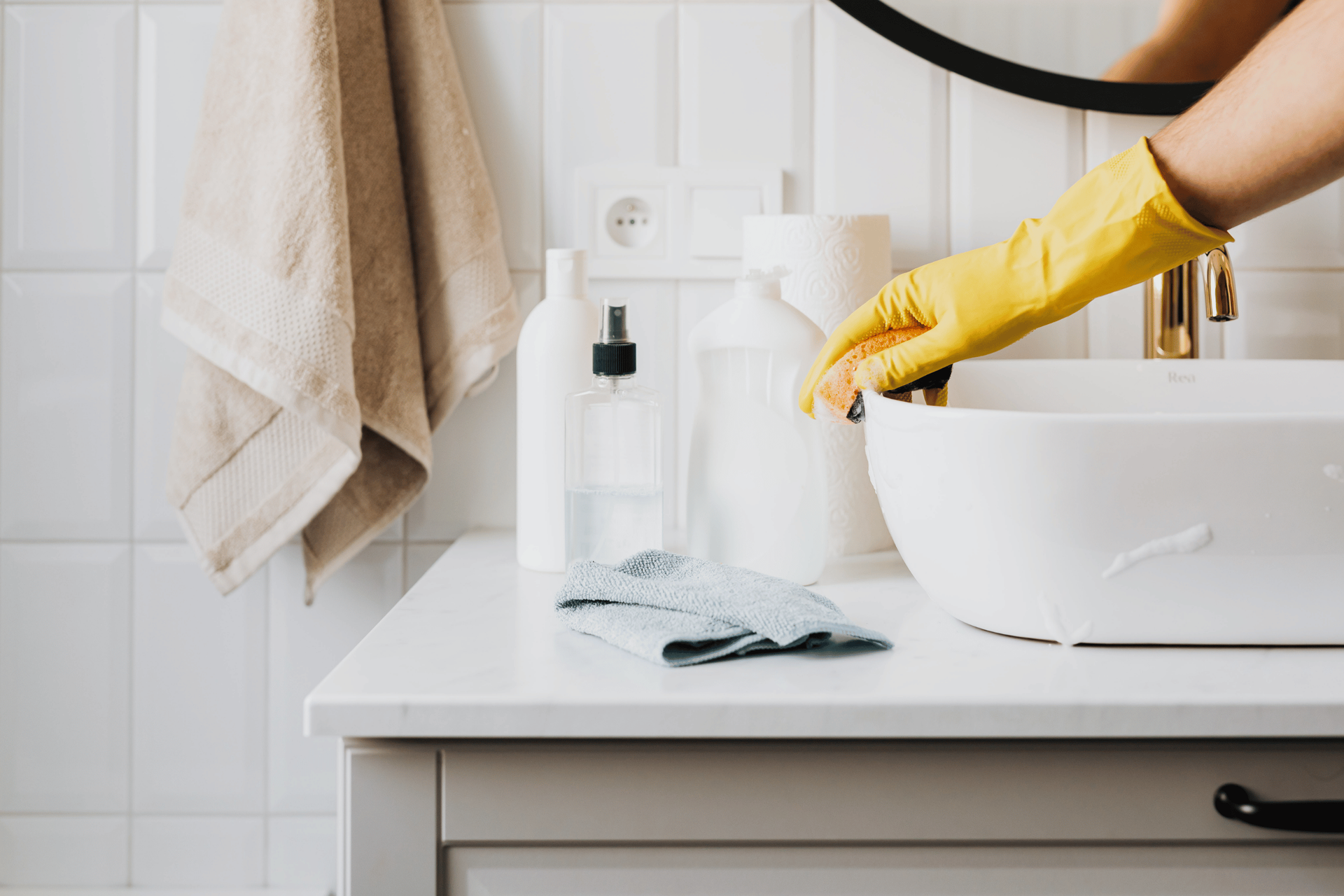
Discover what’s really in your household cleaners. Learn to spot toxic chemicals, avoid greenwashing, and choose safe, plant-based non-toxic alternatives.

Discover how kitchen cleaning services tackle deep-seated grease and grime using safe, organic methods. Contact Organically Maid to request a cleaning.

Learn what deep cleaning services include, how they differ from standard cleaning, and when to schedule one for your DFW home. Contact Organically Maid.
Learn what sets organic house cleaning services in Fort Worth apart and how to get started. Contact Organically Maid to request a free quote today.
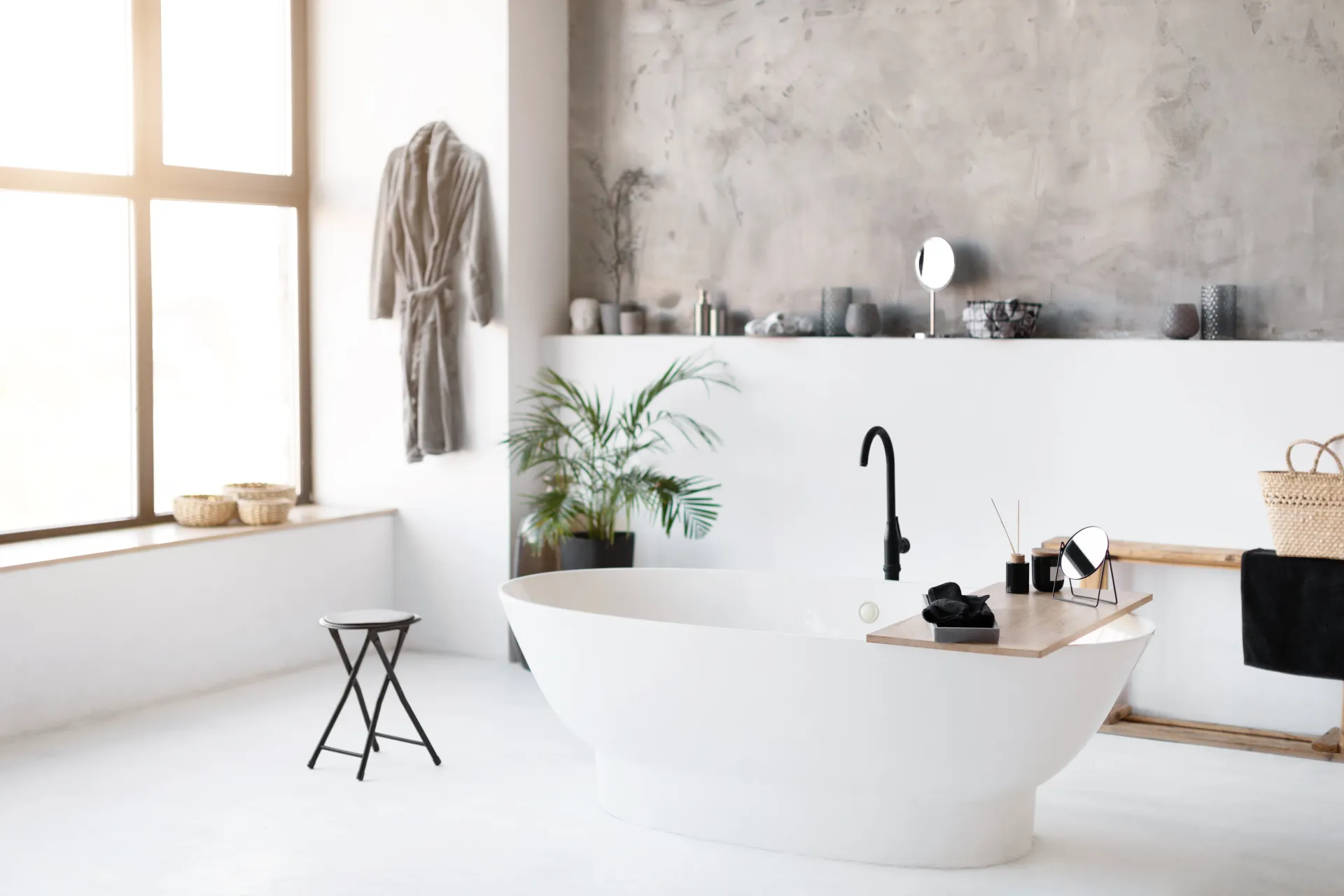
Professional bathroom cleaning services go further than a standard scrub, targeting fixtures, surfaces, and more. Contact Organically Maid for a quote.

Learn what to look for in a cleaning company and what questions to ask before hiring. Contact our team at Organically Maid in Plano, TX, for a quote.
Key signs you need a professional home cleaning service, from dust and allergens to that "never quite clean" feeling. Contact Organically Maid today.

Learn how home size, lifestyle, pets, and budget affect the right cleaning frequency for your home. Book house cleaning services with Organically Maid!
Learn what to expect from an organic deep clean and how it varies from regular services. Contact Organically Maid to learn more or request a quote.